



Welcome to NANPS: committed to preserving native plant habitat in wild areas and restoring indigenous flora to developed areas.
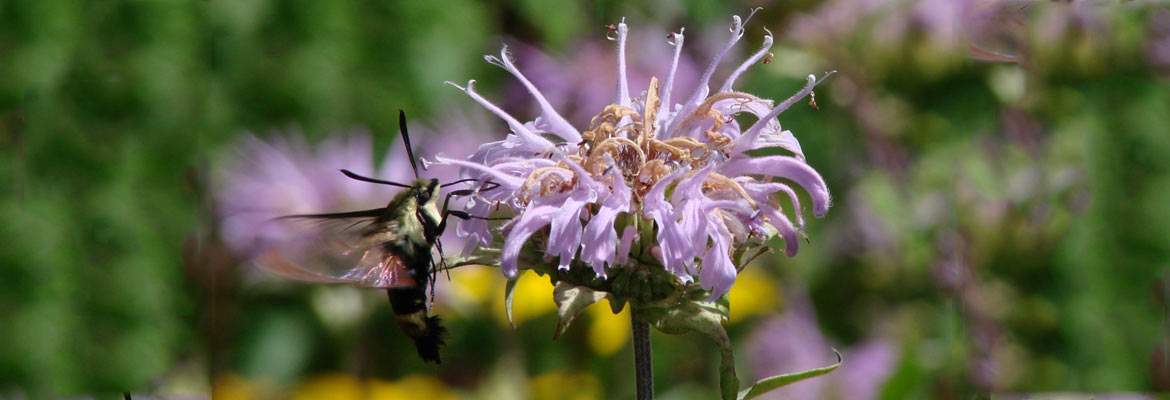
Moth on Monarda
(Photograph: Ruth Zaugg)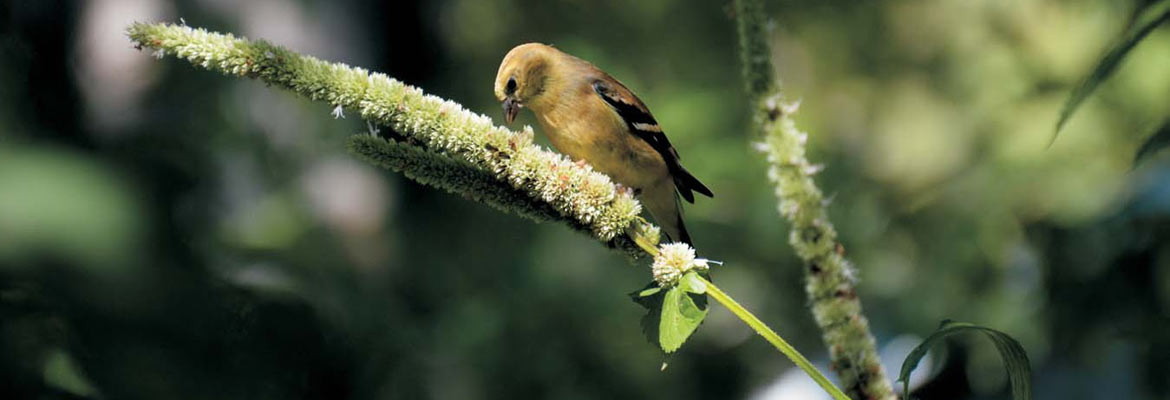
American Goldfinch on Agastache
(Photograph: Paul LaPorte)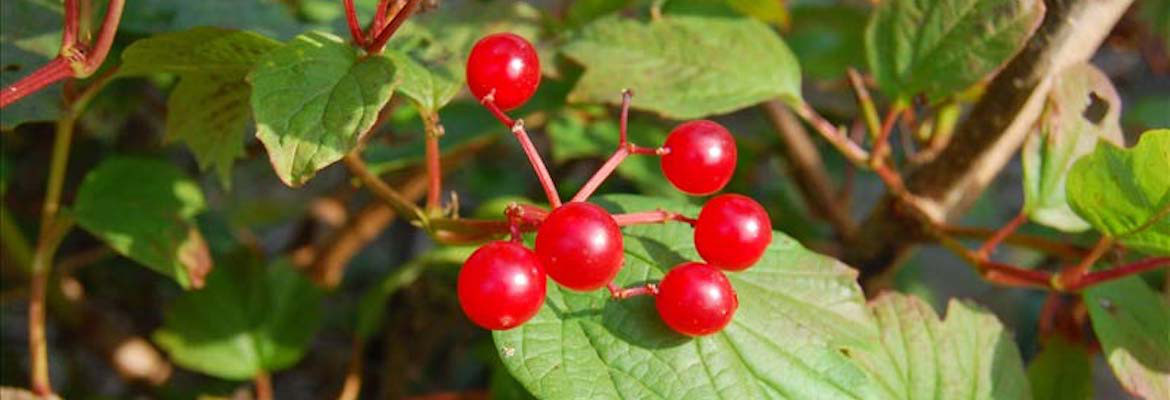
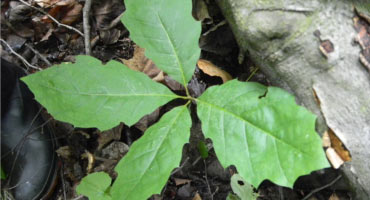
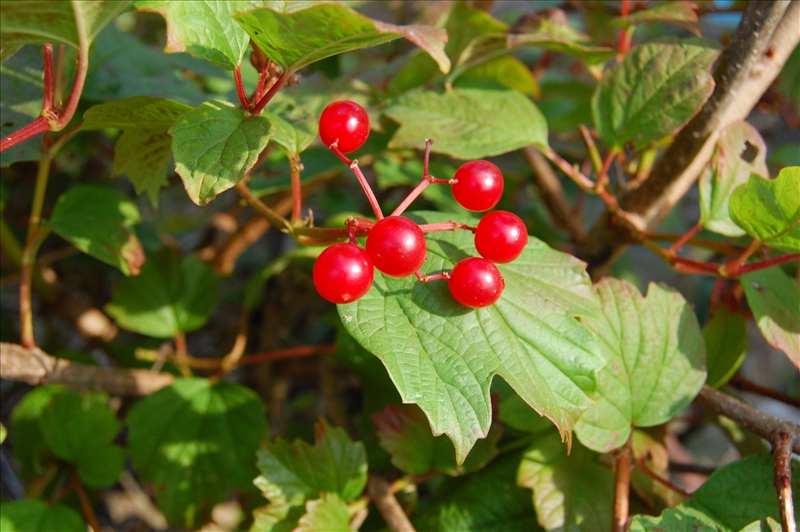
Highbush Cranberry: Favourite Wildflowers and Shrubs

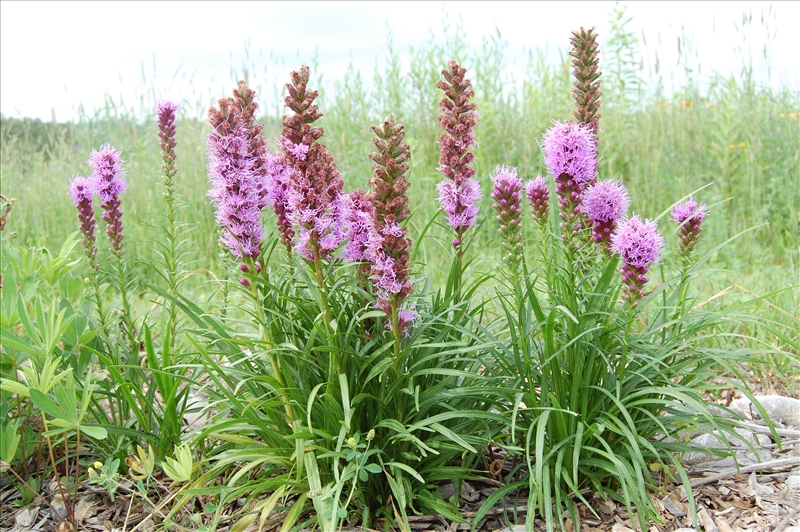
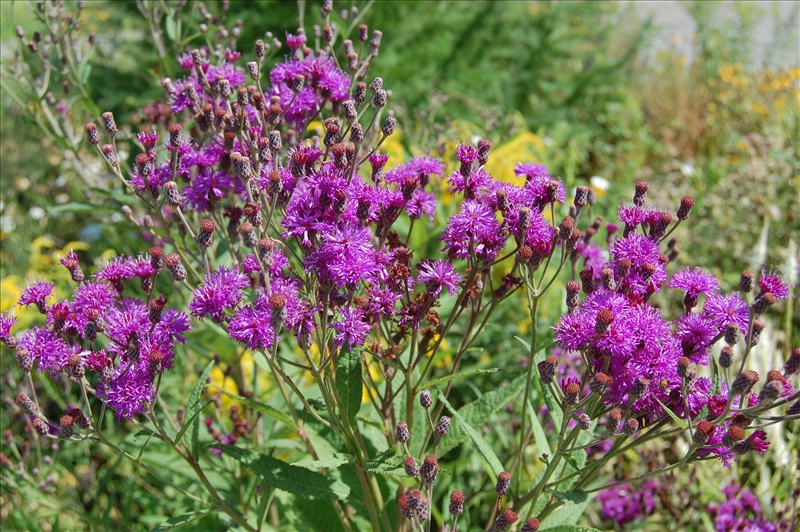
Blazing Star

Gardening Tips

Native Plants to Know

Conservation News
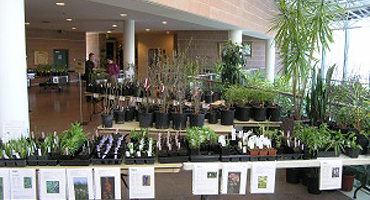
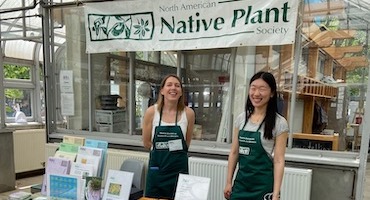
Spring 2026 Plant Sale
Save the date for our annual native plant sale at Toronto Botanical Garden – Saturday May 9, 2026.
Upcoming Events
ABOUT NANPS


News
Webinar: Understanding Soil. The video of our April 16, 2026 webinar with Robert Pavlis is now available to watch here.
Webinar: Feed the Bees: Plant selections to support pollinators in your garden. The video of our March 26, 2026 webinar with Eliese Watson is now available to watch here.
Webinar: Cities are the Place to Bee: The Role of the City in Shaping Bee Communities and Native Bee Understanding. The video of our October 16, 2025 webinar with Anthony Ayers is now available to watch here.
2025 AGM: The 2025 AGM took place on Thursday, October 16. You can view a recording of the proceedings here.
Webinar: Crime Pays but Botany Doesn’t: In Conversation with Joey Santore. The recording of our February 25, 2025 webinar with Joey Santore is now available to watch here.
NANPS Video – Danforth Pollinator Pathway. Learn how one Toronto neighbourhood came together to create a network of pollinator friendly gardens at homes and in public spaces and and the important features they included to help pollinators thrive. Watch now.
Pollinator Gardening: 9 Quick Tips. Thank you to TD – Friends of the Environment Foundation for a grant supporting the creation of this tip sheet.
NANPS How to Create a Pollinator Garden: A Beginner’s Guide. Thank you to TD – Friends of the Environment Foundation for a grant, making this Guide possible. In partnership with David Suzuki Foundation.
NANPS Video Series – How to Create a Native Plant Garden from Start to Finish.To inspire new pollinator gardeners, NANPS has created three videos, explaining why native plants are vital to local ecology and offering tips on how to start your very own native plant garden. Watch now.
Our History
NANPS was founded in 1985 by a small group of dedicated conservationists as the Canadian Wildflower Society. As our American membership grew and acknowledging that plants don’t recognize political boundaries, we changed our name to the North American Native Plant Society in 1999. In 1985 we founded North America’s foremost native plant magazine: Wildflower. The original magazine ceased publication in 2005, but it’s name lives on under the editorship.
Conservation
NANPS currently owns two conservation properties: Shining Tree Woods in the Carolinian zone of southern Ontario and Zinkan Cove on the west shore of the Bruce Peninsula on Lake Huron. Both properties offer unique gifts and distinct challenges. Maintaining conservation lands is a prodigious responsibility but the rewards are equally great. While relatively small, NANPS properties are home to a number of rare flora and fauna and we are justifiably proud of our efforts to protect them.
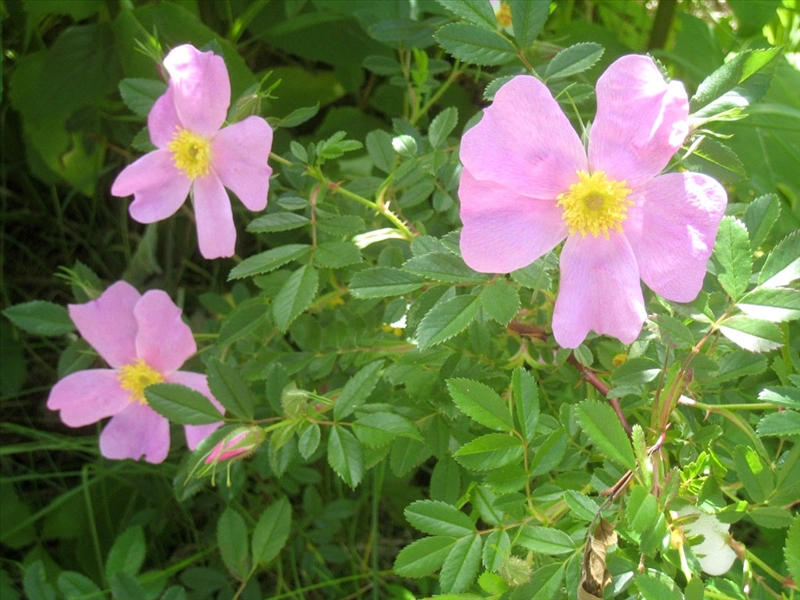
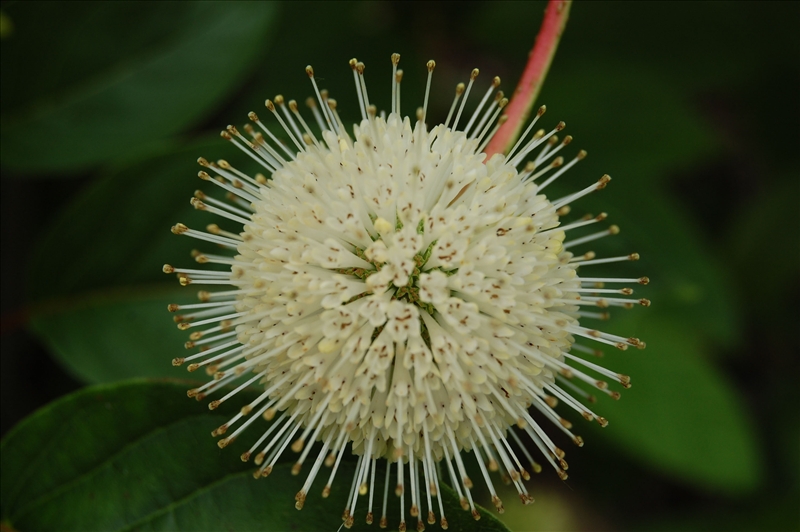
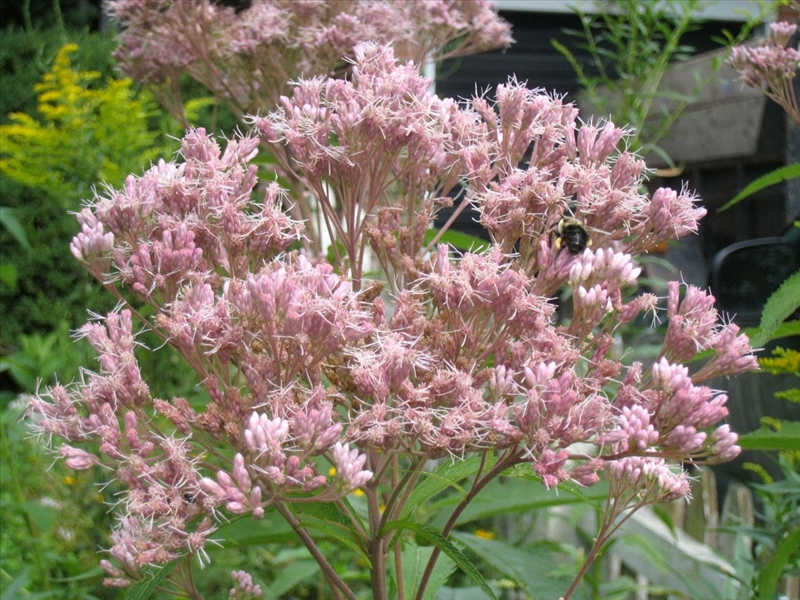
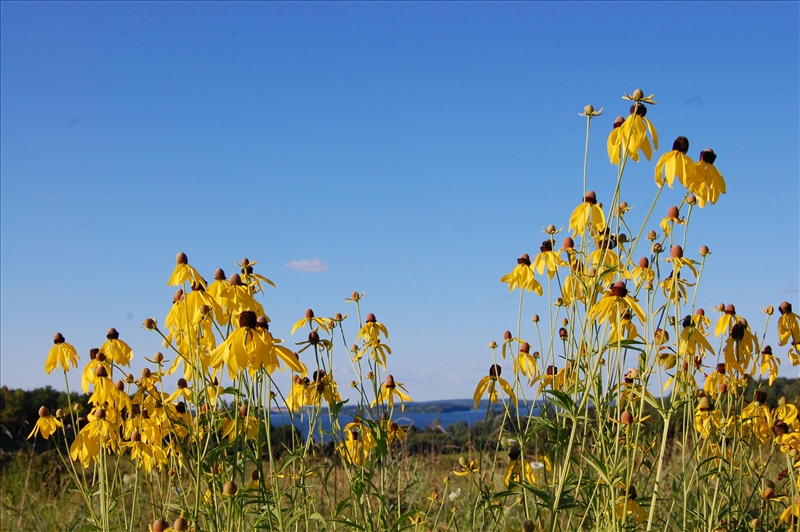
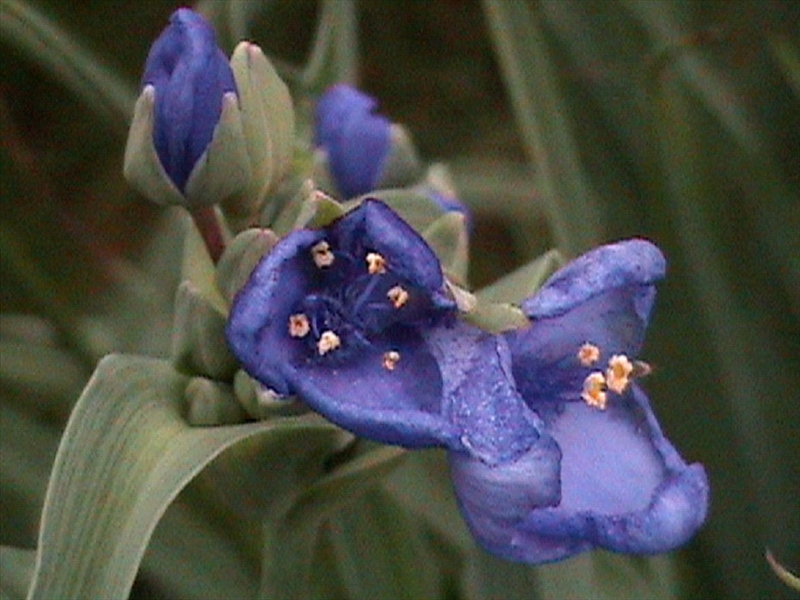
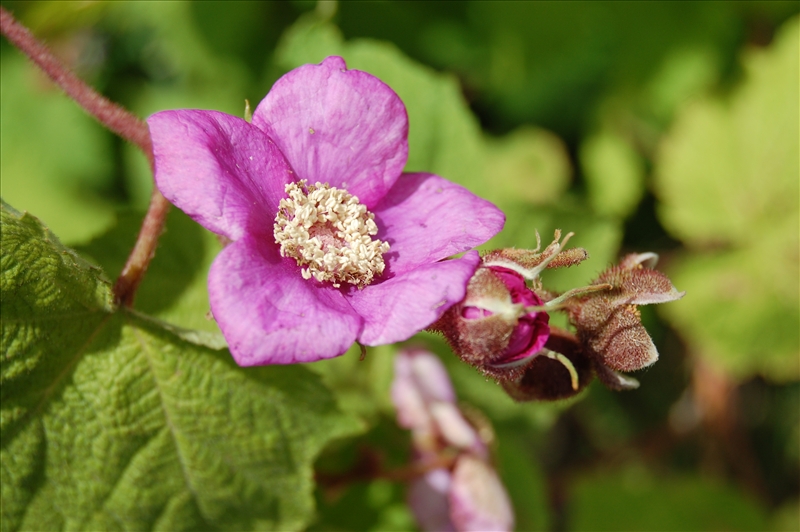
Favourite Wildflowers and Shrubs
Recent Initiatives


Volunteering
 NANPS is a volunteer-operated organization. Virtually everything we achieve is through the efforts of volunteers. The more assistance offered by our members, the more we can accomplish together. If you have some time to give...even just occasionally...you can help. Read More...
NANPS Seed Exchange
 The 2023 - 2024 Seedex list is available for viewing at Native Plant Seed Exchange!
The NANPS Seed Exchange is open to all members across the continent and relies on your participation. If you are not yet a member, you may join online now or include your membership form with your seed request....Read More
The 2023 - 2024 Seedex list is available for viewing at Native Plant Seed Exchange!
The NANPS Seed Exchange is open to all members across the continent and relies on your participation. If you are not yet a member, you may join online now or include your membership form with your seed request....Read More